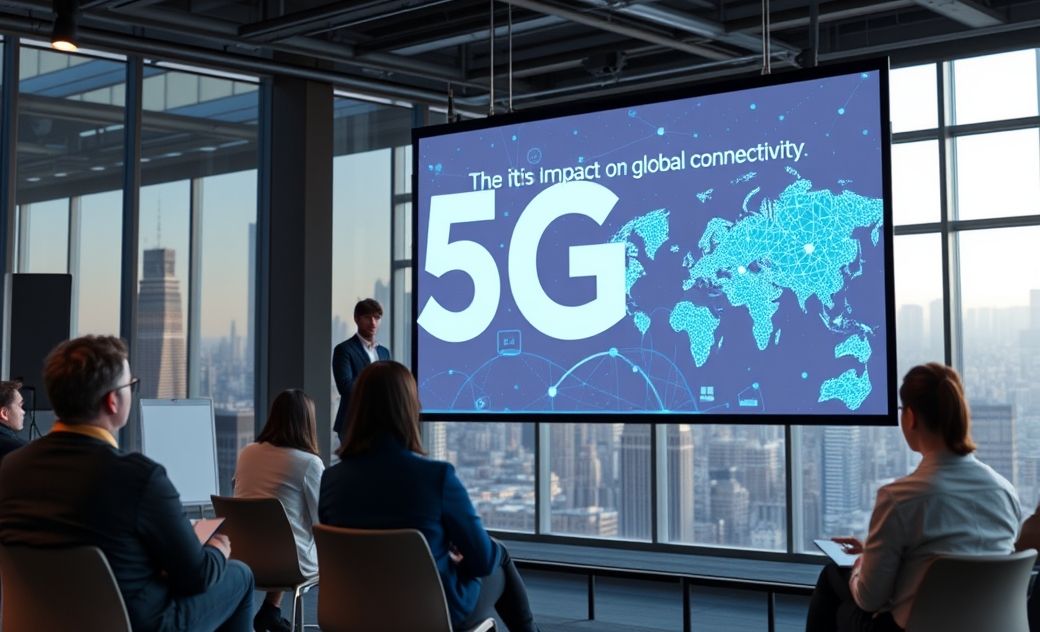
As the world continues to advance in technological innovations, staying connected has never been more critical. One of the latest breakthroughs in this domain is 5G technology, which promises to revolutionize the way we connect and interact. In this article, we will explore the significant impact of 5G on global connectivity, examining its advantages and potential challenges.
Understanding 5G Technology
5G is the fifth generation of wireless network technology, offering faster speeds, lower latency, and greater capacity than its predecessor, 4G. It is designed to meet the ever-growing demand for connectivity and to support a wide range of applications, from mobile broadband to the Internet of Things (IoT).
Features of 5G
5G technology stands out because of several key features:
- Enhanced Data Speeds: 5G can provide download speeds up to 10 Gbps, significantly faster than 4G.
- Ultra-Low Latency: With latency as low as 1 millisecond, 5G minimizes delay and improves real-time communication.
- Massive Device Connectivity: 5G can support up to a million devices per square kilometer, facilitating the growth of IoT ecosystems.
Impact on Global Connectivity
Transforming Communication
5G has the potential to transform how we communicate on a global scale. With faster and more reliable connections, video calls, live streaming, and collaborative work become more seamless and efficient. This transformation is especially vital for remote work and education, which have become essential in today’s globalized world.
Boosting Economic Growth
The implementation of 5G networks is set to have a significant economic impact. By enabling new industrial applications and enhancing existing services, 5G can boost productivity and innovation. Industries such as telemedicine, smart cities, and autonomous vehicles are particularly poised to benefit from the capabilities of 5G technology.
Enabling the Internet of Things
5G is a major catalyst for the expansion of the Internet of Things (IoT). With its massive connectivity capabilities, billions of devices can communicate effectively, unlocking new opportunities for automation and smart solutions across various sectors. This innovation leads to smarter homes, efficient transportation systems, and advanced healthcare solutions.
Challenges and Considerations
Infrastructure Development
One of the primary challenges in rolling out 5G technology is the need for extensive infrastructure development. Installing the necessary network towers and ensuring broad coverage demand significant investment and coordination among stakeholders.
Privacy and Security Concerns
With increased connectivity comes heightened security risks. Protecting sensitive data and ensuring user privacy are critical concerns that must be addressed as 5G expands. Implementing robust cybersecurity measures is crucial to safeguarding against potential threats.
Digital Divide
While 5G holds immense potential, there is a risk of exacerbating the digital divide. Ensuring equitable access to 5G technology is essential to prevent disparities between urban and rural areas or among different socioeconomic groups. Policies and initiatives to bridge this gap are necessary to realize the full benefits of 5G.
Conclusion
5G technology represents a transformative force in global connectivity, offering unprecedented speed, capacity, and potential for innovation. As the world continues to adopt and integrate 5G, it is crucial to address the associated challenges to maximize its benefits for all. By doing so, 5G can truly live up to its promise of connecting the world in ways we have yet to fully imagine.