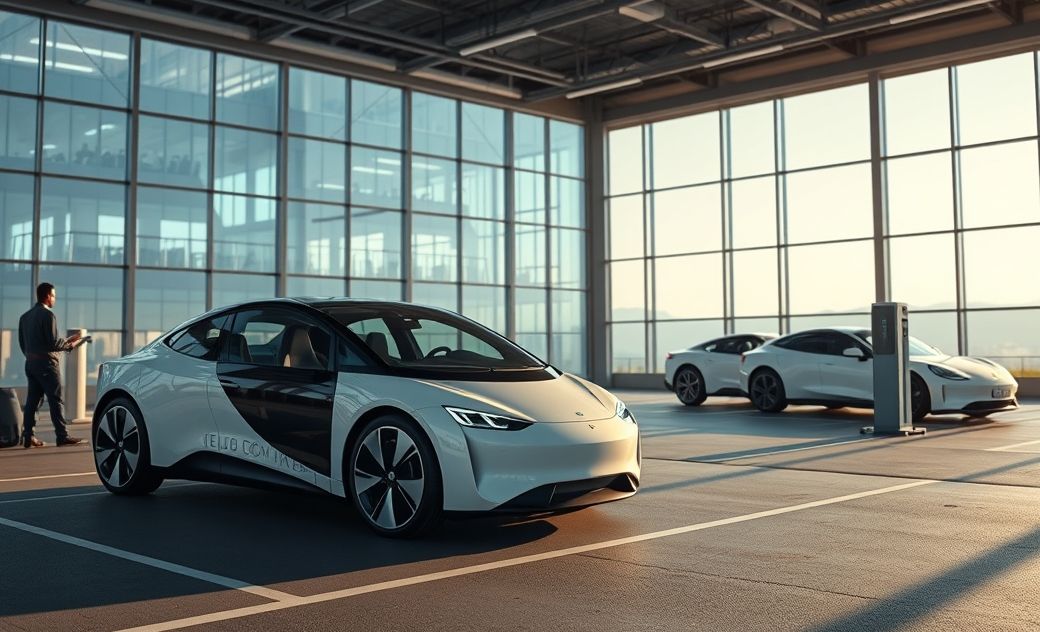
As we zoom into the electrifying world of technology, the future of electric vehicles (EVs) is more promising than ever. With advancements in sustainable technology and environmental consciousness, electric vehicles are carving a significant space in the global auto industry. The market is rapidly evolving, guided by trends that promise a cleaner, more efficient driving experience as well as sound investments. Here, we delve into some of the most pivotal trends shaping the future of electric vehicles.
Increased Range and Battery Efficiency
One of the main challenges historically faced by electric vehicles has been range anxiety – the fear of running out of charge before reaching a destination. However, significant strides in battery technology are extending the range of EVs, providing assurance to potential users.
Solid-State Batteries
Solid-state batteries are emerging as a superior alternative to conventional lithium-ion batteries, offering higher energy density and increased safety. This innovation heralds longer driving ranges and quicker charging times, reducing both range anxiety and charging time, which have been deterrents for some consumers.
Charging Infrastructure Expansion
The development of a robust and widespread charging infrastructure is crucial for the widespread adoption of electric vehicles. Given the rising number of EVs on the road, a corresponding expansion of accessible charging stations is essential.
Ultra-Fast Charging
The introduction of ultra-fast charging technology is reducing the time required to recharge EVs to a mere fraction of what it is today. This advancement will facilitate longer trips and higher vehicle turnover at charging stations, enhancing convenience for EV owners.
Furthermore, partnerships between automakers and energy companies are fostering the expansion of EV charging networks globally, ensuring that critical infrastructure keeps pace with demand.
Autonomous Driving Features
Electric vehicles are not only about sustainability. They are also at the forefront of technological innovation, particularly in the sphere of autonomous driving.
Advanced Driver-Assistance Systems (ADAS)
ADAS technologies are becoming more integrated within EVs, providing features such as adaptive cruise control, lane-keeping assistance, and automated emergency braking. These advancements increase safety, efficiency, and comfort in the driving experience.
The synergy between autonomous technology and electric powertrains will likely fortify the evolution of smart, self-driving electric vehicles, contributing to the broader goal of zero-emission mobility solutions.
Increased Consumer Options and Cost Reduction
The market for electric vehicles is diversifying rapidly, offering consumers a broad range of options from compact cars to SUVs and even luxury models. This diversification is essential as it caters to varying consumer needs and preferences.
Economies of Scale
As production volumes increase, the cost of EVs is expected to decline. Economies of scale, coupled with advancements in battery technology and production techniques, will make electric vehicles more financially accessible to a wider audience. Incentives and rebates offered by governments worldwide further boost the financial viability of owning an EV.
Environmental Impacts and Policy Support
Policy measures and environmental regulations are pivotal in driving the demand and development of electric vehicles globally. Governments in major markets are enacting stringent emission standards and providing incentives for EV adoption, propelling a shift away from fossil fuel vehicles.
Carbon Neutral Goals
The global commitment to carbon neutrality is further accelerating the transition to electric vehicles. Many countries have set targets to ban the sale of internal combustion engine vehicles within the next couple of decades, adding momentum to the EV revolution.
In conclusion, the future of electric vehicles looks bright and promising, with technological advancements and strategic policy support facilitating a transition to a cleaner and more sustainable transportation ecosystem. With increasing consumer adoption, greater infrastructure investment, and ongoing innovations, electric vehicles are set to drive the future of mobility.