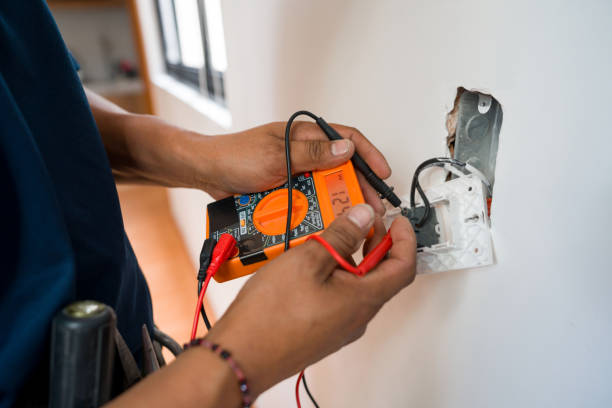
Electrical faults hide behind walls and inside consumer units, creating risks that property owners cannot see until something goes wrong. Regular testing identifies such problems before they escalate into dangerous situations or require expensive repairs. Understanding what inspectors look for helps landlords and homeowners appreciate why periodic checks matter for safety and compliance.
Modern properties face different challenges than older buildings, but both require thorough examination. EICR testing London specialists check circuits, earthing systems, and protective devices during inspections that typically last two to four hours depending on property size. These assessments follow strict standards outlined in BS 7671, the UK wiring regulations that govern electrical installations across residential and commercial properties.
Inspections reveal hidden dangers that routine use never exposes. Faulty connections might work perfectly for years before failing suddenly, whilst deteriorated insulation increases shock risks without any visible warning signs. Professional electricians use specialised equipment to measure resistance, check polarity, and verify that safety devices respond correctly under test conditions.
Outdated Wiring Systems That Cannot Handle Modern Electrical Demands
Electrical Load Capacity Issues: Properties built before the year 1980 often contain wiring designed for far lower electrical consumption than households require today. Old rubber or fabric-insulated cables deteriorate over time, becoming brittle and losing their protective qualities. These aged systems struggle with the demands of multiple appliances, electric vehicle chargers, and high-power devices that were not part of original design specifications.
Aluminium Wiring Complications: Some properties from the 1960s and 1970s contain aluminium wiring rather than copper conductors. These installations require special attention because aluminium expands and contracts more than copper when electricity flows through it. Connections loosen over time, creating high-resistance joints that overheat and potentially ignite surrounding materials without proper maintenance or replacement.
Faulty Earthing and Bonding Creating Shock Hazards
Main Earthing Terminal Problems: The earthing system provides a safe path for fault currents to flow back to the supply, preventing dangerous voltages from appearing on metalwork. Corroded connections at the main earthing terminal compromise this protection, leaving pipes, radiators, and appliance casings potentially live during electrical faults. Inspectors test the resistance of earthing conductors to verify they can carry fault currents safely.
Supplementary Bonding Requirements: Bathrooms and kitchens require supplementary bonding between metallic services like pipes, taps, and radiators to prevent voltage differences during faults. Many older properties lack this protection entirely, whilst some newer installations have bonding conductors disconnected during renovation work. Testing confirms all required bonding exists and maintains continuous electrical connection between services.
Defective Residual Current Devices Failing to Provide Protection
RCD Operation and Testing: Residual current devices disconnect power within milliseconds when they detect current leaking to earth, protecting against electrocution. These life-saving devices require testing every six months, yet many property owners never check them between professional inspections. RCDs can fail mechanically or become less sensitive over time, leaving circuits unprotected despite appearing to function normally.
Dangerous Socket Outlets and Switching Arrangements
Socket Deterioration and Damage: Daily use gradually loosens socket contacts, creating high-resistance connections that heat up during normal operation. Cracked faceplates expose live parts, whilst damaged sockets accept plugs at dangerous angles that stress internal connections. Inspectors check every accessible socket for secure mounting, intact components, and proper electrical function including earth continuity.
Absence of Required Circuit Protection Devices
The following protective devices must function correctly to prevent electrical fires and injuries:
- Miniature circuit breakers that disconnect power when circuits draw excessive current beyond their safe operating capacity.
- Arc fault detection devices that identify dangerous arcing faults which standard overcurrent protection cannot detect reliably.
- Surge protection devices that guard sensitive equipment and wiring from voltage spikes caused by lightning or supply network faults.
- Isolator switches providing safe disconnection points for maintenance work on fixed appliances like immersion heaters and cookers.
Poor Quality DIY Electrical Work and Unauthorised Modifications
Non-Compliant Installation Methods: Untrained individuals often create unsafe installations that look acceptable but violate fundamental safety principles. Common mistakes include inadequate cable support, incorrect conductor sizes, missing mechanical protection, and connections made outside proper enclosures. These defects might function initially but create long-term hazards as connections loosen or insulation degrades under stress.
Insufficient Protection Against Fire Spread Through Walls and Floors
Consumer Unit Location and Enclosure: Consumer units installed beneath wooden staircases or in cupboards with combustible materials nearby violate current regulations. Metal consumer units replaced older plastic versions specifically to prevent fires spreading from internal faults. Testing confirms that protective devices operate correctly and that the installation arrangement meets fire safety requirements for the property type.
Conclusion
Property owners who understand common electrical hazards make informed decisions about maintenance priorities and inspection frequency. Regular testing catches deteriorating components before they fail dangerously, protecting occupants and preserving property value. Schedule a comprehensive inspection from a qualified electrician to identify hidden issues within your electrical installation and receive detailed guidance on necessary remedial work.