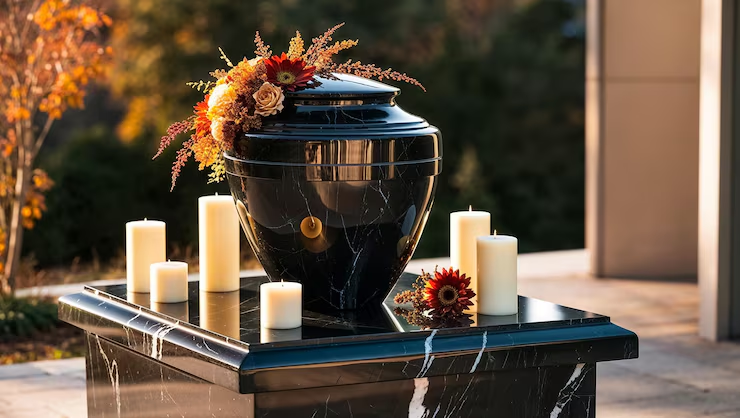
When someone you love passes away, the decisions pile up fast. You’re grieving, you’re tired, and suddenly you’re expected to make choices about something you’ve probably never thought about before. Cremation services in the city of Las Vegas offer an alternative to traditional burial, but not all providers handle things the same way. Some families find peace in their choice. Others wish they’d asked different questions.
The thing is, cremation isn’t just a straightforward process. Different facilities operate under different standards. Some prioritize transparency and respect. Others treat it like an assembly line. If you’re looking at Las Vegas cremation services, you need to know what separates a trustworthy provider from one that cuts corners. The cremation process itself follows strict regulations, but how providers communicate and care for families varies widely.
What matters most when choosing where to go? Start with accreditation. Look for facilities that meet recognized industry standards. The American Association of Tissue Banks sets guidelines that ensure ethical handling and proper procedures. Not every crematory bothers with third-party oversight. The ones that do usually display their certifications openly. If you can’t find proof of accreditation, ask directly. A legitimate provider won’t hesitate to show you their credentials.
Understanding What You’re Actually Paying For
Cremation costs less than traditional burial, but the price range still surprises people. Some providers advertise low base rates, then add fees for things you assumed were included. Transportation. Death certificates. A basic container. The bill grows quickly if you’re not careful. Before you commit to anything, get a complete breakdown in writing. Ask what happens if your loved one passes away outside regular business hours. Some places charge extra for evening or weekend pickups.
Direct cremation means no viewing, no service beforehand, just the cremation itself. That’s the most affordable option. But maybe you want family to say goodbye first. Maybe you need time to gather people from out of state. Those preferences change what you’ll pay and how long the process takes. There’s no correct answer here. Just make sure the provider explains your options without pushing you toward the most expensive package.
The Questions Most People Forget to Ask
Where does the cremation actually happen? Some funeral homes don’t have their own crematory. They contract with another facility. That’s not necessarily bad, but it means your loved one will be transported to a different location. You should know that upfront. If staying with one provider from start to finish matters to you, verify that they handle everything on-site.
What about identification procedures? Reputable facilities use multiple checkpoints to prevent mix-ups. They assign identification numbers. They track the remains throughout the entire process. They give you documentation proving the ashes you receive belong to your family member. This sounds morbid to discuss, but it protects you from the nightmare scenarios you’ve probably heard about. Ask how they maintain the chain of custody. If they seem annoyed by the question, go somewhere else.
Can you witness the cremation? Not everyone wants to, but some families find closure in being present. Certain facilities allow this. Others don’t. Neither approach is wrong, but if witnessing matters to you culturally or personally, you need a provider who accommodates that request. Don’t assume it’s possible everywhere.
Green Options Are Growing
Traditional flame-based cremation uses significant energy and releases emissions. If environmental impact concerns you, ask about alkaline hydrolysis. This water-based alternative uses less energy and produces fewer pollutants. It’s not available everywhere yet, and some states still regulate it heavily. Las Vegas has providers offering this option, though you might need to search specifically for facilities with the right equipment.
Biodegradable urns provide another eco-friendly choice. These break down naturally if you scatter ashes in water or bury them. Some families plant trees with biodegradable urns containing their loved one’s remains. It creates a living memorial instead of a headstone. The options here have expanded in recent years. If sustainability aligns with your values or your loved one’s wishes, bring it up early in your conversations with providers.
Timing and Paperwork Nobody Warns You About
Death certificates take time. You’ll need multiple copies for insurance claims, bank accounts, and property transfers. The crematory can often help obtain these, but you’ll wait several days or longer, depending on how backed up the county office is. Plan for delays. Nothing moves as quickly as you want it to when you’re grieving and trying to settle an estate.
Some states require a waiting period before cremation can happen. This gives families time to reconsider or allows authorities to complete any necessary investigations. The wait feels endless when you’re ready to move forward. Understanding these legal requirements ahead of time helps set realistic expectations. Your provider should explain the timeline clearly, not just when you’ll receive ashes but every step between now and then.
What Happens to Medical Devices
Pacemakers and other implanted devices must be removed before cremation. They can explode in high heat, damaging equipment and potentially injuring workers. Most facilities handle this automatically, but it’s worth confirming. If your loved one had surgical implants, prosthetics, or medical hardware, mention it when making arrangements. The removal process is a standard procedure. Just make sure nothing gets overlooked.
Red Flags That Should Send You Elsewhere
Pressure tactics have no place in this industry. If someone pushes you to decide immediately or makes you feel guilty about asking questions, leave. Grief makes people vulnerable. Ethical providers understand that. They give you space to think. They encourage you to involve other family members in decisions.
Vague answers about their process should concern you. A legitimate crematory can explain precisely how they handle remains, what safeguards they use, and how long each step takes. If responses feel evasive or overly general, trust your instinct. This is too important to ignore the warning signs.
Missing paperwork or reluctance to provide documentation in advance is another problem. Everything should be spelled out clearly before you agree to anything. Contracts, itemized pricing, and your legal rights. If a provider resists putting things in writing, that tells you something about how they operate.
Making the Choice That Fits Your Family
Some people know immediately what feels right. Others need time to visit multiple facilities, compare options, and talk it through with relatives. There’s no deadline forcing you to choose the first place you contact. If something feels off, keep looking. If a provider makes you feel heard and respected, that matters as much as their technical capabilities.
Your loved one deserves dignity in death. You deserve honest answers and fair treatment during an incredibly difficult time. Cremation in Las Vegas gives you alternatives to traditional burial, but only if you choose a provider who values transparency and ethical practices. Ask the hard questions. Take your time. Trust matters here more than almost anywhere else.
The right choice looks different for every family. What works for your neighbor might not work for you. Cultural considerations, religious beliefs, personal preferences, and budget constraints – all of these factors go into your decision. A good provider helps you navigate those considerations without judgment. They understand this isn’t just a transaction. It’s how you honor someone who mattered to you.