You might think your building’s air conditioning system just needs to work as usual. Keep the office cool in summer, that’s it. But if you own or manage a commercial property in the UK, there’s a legal requirement you can’t ignore. It’s called TM44 compliance, and getting it wrong could cost you more than just money in fines.
The TM44 inspection requirement applies to any non-domestic building with air conditioning systems rated above 12kW of cooling capacity. That covers most office blocks, retail units, hotels, and warehouses across the country. If your system meets this threshold, you need regular inspections. There’s no way around it. TM44 compliance exists to improve energy performance in commercial buildings and reduce carbon emissions. The government wants building owners to maintain their cooling systems properly, not let them waste energy year after year.
Here’s what catches people out. Many building owners assume their Energy Performance Certificate covers everything. It doesn’t. An EPC and a TM44 inspection serve different purposes entirely. Your EPC rates the overall energy performance of the building. A TM44 inspection focuses specifically on your air conditioning system’s condition and operating methods. You need both to stay compliant with UK building regulations.
Understanding the Inspection Schedule
The inspection schedule depends on your system size. Buildings with air conditioning systems between 12kW and 70kW need an inspection every five years. Larger systems over 70kW require inspections every five years as well, though previously the threshold was different. Missing these deadlines puts you at risk of enforcement action. Some building owners think they can delay inspections to save money in the short term. That’s a mistake. The penalties for non-compliance have increased, and local authorities are paying closer attention to enforcement in 2025.
What Happens During a TM44 Inspection
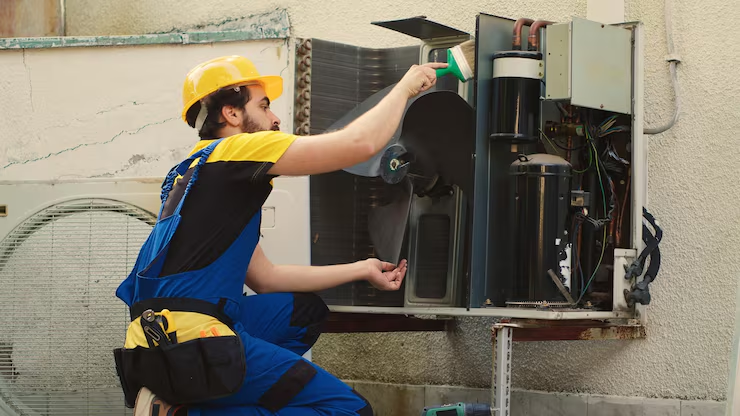
An accredited energy assessor visits your property to evaluate the air conditioning system. They check the equipment’s age, condition, and whether it’s sized appropriately for the building. The assessor also reviews maintenance records and looks at how the system is being used day to day. Are thermostats set correctly? Is the system running when the building is empty? These details matter because they affect both compliance and running costs.
The assessor produces a report that includes recommendations for improving the system’s performance. Some suggestions might be simple, like adjusting temperature settings or upgrading controls. Others could involve replacing old equipment that’s past its useful life. You’re not legally required to act on every recommendation, but ignoring them all would be short-sighted. Poor maintenance leads to higher energy bills and increases the risk of system failure when you need cooling most.
The Certificate and Registration Process
After the inspection, the assessor lodges your TM44 certificate on the government’s Landmark Register. This creates an official record that your building meets current compliance requirements. The certificate remains valid for five years from the inspection date. You’ll need to arrange another inspection before it expires to maintain continuous compliance.
Why Building Owners Delay Compliance
Let’s be honest about why some people put off TM44 inspections. The first reason is simple forgetfulness. If you manage multiple properties or have a long to-do list, it’s easy for a five-year deadline to slip past. The second reason is cost consciousness. Building maintenance involves constant spending, and TM44 inspections feel like another expense that doesn’t deliver immediate returns.
There’s also confusion about who’s responsible. In leased properties, landlords and tenants sometimes assume the other party should arrange inspections. This creates gaps in compliance that only become apparent during property transactions or enforcement checks. Getting clarity on responsibilities before problems arise saves stress later.
Some building owners question whether enforcement is really likely. Perhaps your local authority has never contacted you about TM44 compliance. That doesn’t mean they won’t. Enforcement patterns vary across the country, but the direction of travel is clear. Energy performance in buildings is a government priority, and compliance checks are becoming more common. Waiting until you receive an enforcement notice before acting leaves you in a weak position.
The Real Cost of Non-Compliance
Penalties for failing to have a valid TM44 certificate have increased. The exact amount depends on your specific circumstances, but fines are substantial enough to exceed the cost of several inspections. Beyond financial penalties, non-compliance creates other problems that building owners often overlook.
Property transactions become complicated when TM44 certificates are missing or expired. Buyers conduct due diligence, and compliance gaps raise red flags. You might need to arrange an emergency inspection to complete a sale, which causes delays and potentially affects the transaction value. Some buyers walk away entirely if they discover compliance issues during surveys.
Tenant relationships suffer when building owners neglect their legal obligations. Commercial tenants expect landlords to maintain properties to required standards. If your building lacks proper certification, tenants may question whether other maintenance obligations are being met. This affects retention and makes it harder to attract quality tenants at competitive rates.
Insurance and Property Value Concerns
Insurance implications are another concern. Some commercial property insurance policies require buildings to meet all relevant legal standards. If you make a claim and the insurer discovers you’re not TM44 compliant, they might challenge the claim or adjust your premium. It’s not worth the risk.
Planning for 2025 and Beyond
The best approach is treating TM44 compliance as part of routine building management rather than a crisis that needs fixing every five years. Set calendar reminders 18 months before your certificate expires. This gives you time to budget for the inspection and address any recommendations before the deadline arrives.
Keep records of all inspections, certificates, and system maintenance in one place. When an assessor asks for documentation, you want to provide it quickly. Good record-keeping also helps you track patterns over time. If every TM44 report flags the same issue, that’s a signal to take action rather than continue ignoring the problem.
Consider whether your F-Gas regulations compliance is up to date while arranging TM44 inspections. Both relate to air conditioning systems, and checking both at once makes sense from a time and cost perspective. Buildings that fall behind on one type of compliance often have gaps in other areas too.
Think about the condition of your current equipment. If your air conditioning system is reaching the end of its design life, replacement might be more cost-effective than continued repairs. Newer systems operate more efficiently, which reduces energy bills and helps you meet broader environmental targets. The TM44 inspection report gives you professional advice on whether repair or replacement makes sense.
What Building Owners Should Do Now
Check your current TM44 certificate status. If you can’t find your certificate or don’t remember the last inspection date, search the Landmark Register using your property address. The register is publicly accessible and shows all lodged certificates. If your certificate has expired or you’ve never had an inspection, book one as soon as possible.
Review your building’s cooling capacity to confirm whether TM44 inspections are required. If you’re unsure about your system size, an HVAC contractor can provide this information. Getting clarity now prevents nasty surprises later.
Talk to your facilities management team or maintenance contractors about building energy regulations more broadly. TM44 is one piece of a larger compliance picture that includes EPCs, building regulations, and environmental standards. Understanding how these requirements interact helps you plan maintenance budgets and avoid last-minute panic.
Final Thoughts on Staying Compliant
Building owners who stay ahead of compliance requirements protect their investments and sleep better at night. The alternative is dealing with enforcement notices, transaction delays, and unnecessary stress. TM44 compliance isn’t optional, and treating it as a box-ticking exercise misses the point. Your air conditioning system represents significant capital investment. Regular inspections help you maintain that investment and operate it as effectively as possible.
2025 brings continued focus on building energy performance across the UK. The government wants commercial properties to reduce carbon emissions and operate more sustainably. TM44 inspections support these goals by ensuring air conditioning systems work properly and don’t waste energy. Building owners who embrace compliance rather than resist it find themselves better positioned for future regulation changes.
Get your TM44 compliance sorted before it becomes a problem. Check your certificate status, book inspections on time, and act on report recommendations where they make sense. These steps keep you on the right side of the law and help your building perform better over the long term.