Trekking tourism and Nepal are now inseparable, but that was not always the case. Decades ago, Nepal was largely unknown to global travelers, and trekking was considered an extreme activity reserved for mountaineers and explorers.
Everything changed when the Everest Base Camp Trek slowly evolved from a climbers’ access route into one of the most iconic trekking experiences on the planet.
Today, the Everest Base Camp Trek is more than just a trail. It is a symbol of adventure, a driver of economic growth, and a major reason Nepal is recognized as the trekking capital of the world.
Understanding how this single trek reshaped trekking tourism in Nepal helps explain why millions of trekkers continue to choose the Himalayas year after year.
Trekking Tourism in Nepal Before Everest Base Camp
Before the rise of the Everest Base Camp Trek, trekking tourism in Nepal was limited and highly specialized. In the 1950s and 1960s, most visitors were part of scientific expeditions or elite mountaineering teams. Travel infrastructure was minimal, maps were unreliable, and accommodations were almost nonexistent along trekking routes.
At that time, trekking required large support teams, camping equipment, and extensive planning. Local communities had little involvement in tourism, and the idea of trekking as a mainstream activity had not yet taken shape.
The opening of Nepal to international visitors set the stage, but Everest Base Camp became the catalyst that transformed potential into reality.
From Expedition Route to World Famous Trek
The trail to Everest Base Camp was originally designed to support expeditions heading toward Mount Everest. Sherpa communities used these paths for trade and seasonal migration long before foreign climbers arrived. As word spread about the journey itself, travelers realized that reaching Base Camp was an achievement even without climbing the mountain.
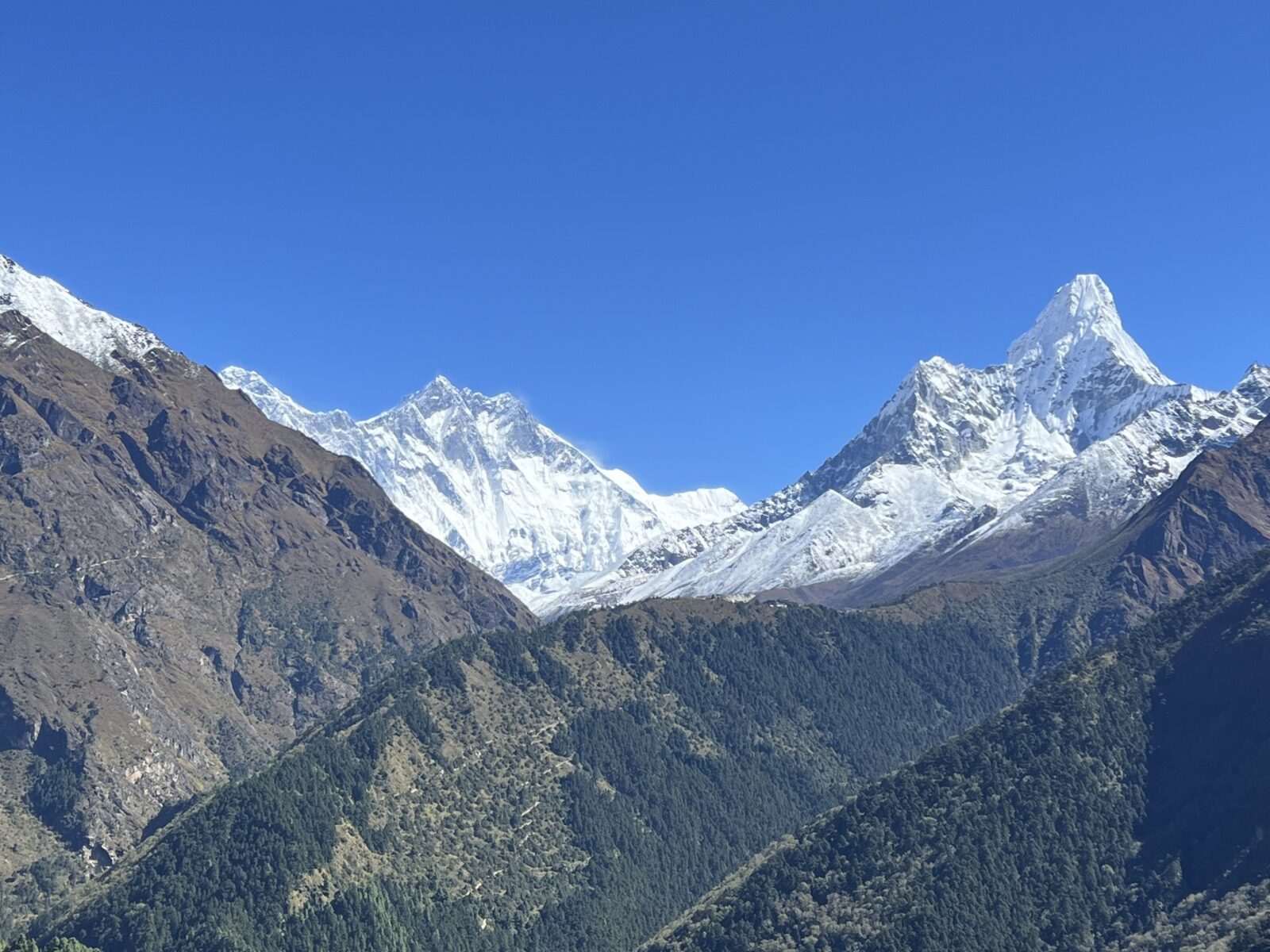
What made the Everest Base Camp Trek stand out was the combination of natural beauty, cultural immersion, and physical challenge. Trekkers experienced high altitude landscapes while staying in living villages rather than isolated camps.
Key elements that attracted early trekkers included
- Close views of Mount Everest and surrounding peaks
- Traditional Sherpa culture and Buddhist monasteries
- A clear and established trekking route
- A sense of adventure without technical climbing
This shift marked the moment trekking tourism in Nepal began to expand beyond elite mountaineering circles.
Making Trekking Accessible to the World
One of the most important ways the Everest Base Camp Trek changed trekking tourism in Nepal was by making it accessible. While challenging, the trek did not require prior climbing experience. With proper acclimatization and guidance, motivated travelers from different age groups could complete it.
This accessibility helped redefine trekking as an achievable goal rather than an extreme pursuit. The tour operators provided well-curated, structured itineraries; guides were professionally trained, and safety standards were improved.
As a result,
- Trekking attracted first-time adventurers
- Nepal became a trusted destination for guided treks
- Demand for similar trekking experiences increased nationwide
Everest Base Camp became the entry point for many people discovering trekking in Nepal for the first time.
The Birth of Teahouse Trekking Culture
The Everest Base Camp Trek played a major role in developing Nepal’s teahouse trekking system. Instead of carrying tents and food supplies, trekkers were able to stay in simple lodges run by local families along the route. This shift made trekking more comfortable and accessible while allowing travelers to experience authentic mountain life firsthand.
This model transformed trekking tourism by creating a sustainable connection between visitors and local communities. Teahouse trekking provided affordable accommodation and meals, created steady employment for local residents, and encouraged cultural interaction beyond basic sightseeing. It also reduced environmental impact compared to large camping groups that required extensive supplies and support.
As trekking numbers increased, villages along the Everest route evolved into vibrant trekking hubs with improved facilities and services. The success of the teahouse system in the Everest region later spread to other popular trekking areas such as Annapurna and Langtang, shaping the way trekking tourism developed across Nepal.
Economic Transformation of the Khumbu Region
The economic impact of the Everest Base Camp Trek cannot be overstated. Trekking tourism became a primary source of income for the Khumbu region, transforming lives and livelihoods across generations.
As the number of trekkers increased, tourism created diverse job opportunities for local people, including trekking guides, assistant guides, porters, lodge owners, kitchen workers, and small business operators running shops and bakeries along the trail.
Income generated from trekking tourism also helped improve essential services in the region. Many families invested their earnings in education, healthcare, and infrastructure development, contributing to better schools, clinics, and renewable energy projects such as solar power systems.
Over time, this model proved that trekking tourism could drive long-term community development, and it influenced tourism planning and sustainable development strategies throughout Nepal.
Shaping Nepal’s Global Trekking Reputation
For many international travellers, the Everest Base Camp Trek is their first real experience of Nepal, and that first impression plays a powerful role in shaping how the country is viewed worldwide. The journey introduces visitors to Nepal’s landscapes, people, and trekking culture, setting expectations for safety, service quality, and overall experience.
Because of the Everest Base Camp Trek, Nepal became known for its reliable trekking routes, skilled local guides and porters, strong hospitality culture, and scenic trails enriched with deep cultural heritage.
This positive reputation helped promote lesser-known trekking regions through association, as travelers who trusted Nepal because of their Everest experience were more willing to explore other parts of the country. In this way, Everest Base Camp acted as a global ambassador for Nepal’s trekking tourism.
Social Media and the Modern Trekking Boom
In recent years, social media has significantly amplified the influence of the Everest Base Camp Trek. Stunning photos from Kala Patthar, thrilling videos of the Lukla flight, and personal stories of high-altitude trekking have reached millions of people around the world.
These visual stories have made the trek more accessible in the imagination of travellers, inspiring a new generation of adventurers to plan their own journeys to Nepal.
It has attracted younger and more independent travelers who are eager to explore the Himalayas on their own terms. It has also increased interest in solo trekking and female trekking, as social media platforms highlight safe and rewarding experiences in the region.
At the same time, it has strengthened Nepal’s presence in the digital tourism space, making the country a top-of-mind destination for adventure travelers.
Everest Base Camp has therefore become more than just a trekking route. It has evolved into a global storytelling platform, where personal experiences, breathtaking visuals, and cultural insights continue to fuel the growth of trekking tourism in Nepal.
Environmental Awareness and Responsible Trekking
The tremendous popularity of the Everest Base Camp Trek brought with it not only economic and cultural benefits but also significant environmental challenges. As thousands of trekkers passed through fragile Himalayan landscapes each year, issues such as waste accumulation, overcrowding on trails, and increased pressure on local resources became increasingly visible.
In response, Nepal introduced initiatives for responsible trekking, such as
- Sagarmatha National Park regulations
- Organized clean-up campaigns
- Plastic reduction policies
- Promotion of eco-friendly lodges
Many of these sustainability practices were first implemented in the Everest region before expanding to other trekking areas. The trek played a key role in shaping responsible tourism standards across Nepal.
Challenges Created by Popularity
While the Everest Base Camp Trek brought enormous benefits to Nepal, its growing popularity also created several challenges that needed careful management. The increasing number of trekkers led to seasonal congestion during peak months, rising trekking costs, and the commercialization of local culture.
At the same time, the environment faced additional pressure from waste and overuse of natural resources.
Addressing these issues prompted Nepal to strengthen trekking regulations, improve guide training, and implement better capacity planning. These measures helped manage the challenges while maintaining a high-quality trekking experience, ultimately strengthening the overall trekking tourism industry.
Everest Base Camp as a Symbol of Nepal
The Everest Base Camp Trek is more than just a famous trail in the Himalayas; it is a powerful symbol of Nepal’s rise as a global adventure tourism destination. Over the years, this iconic trek has attracted travelers from all corners of the world, turning a remote mountain region into a hub of cultural exchange, economic opportunity, and breathtaking natural experiences.
- For trekkers, completing the journey is a personal milestone that brings a sense of achievement and connection to the majestic Himalayas.
- For local communities, the trek provides consistent opportunities for employment, entrepreneurship, and cultural exchange, supporting livelihoods, and strengthening regional economies.
- For Nepal as a whole, Everest Base Camp has become a cornerstone of the country’s tourism identity, showcasing its natural beauty, rich culture, and capacity for adventure tourism.
Beyond its economic and cultural significance, the trek continues to influence tourism policies, inspire new generations of travelers, and set the standard for trekking experiences across the country, ensuring that Nepal remains a top destination for adventure seekers from around the world.
Final Thoughts
The Everest Base Camp Trek changed trekking tourism in Nepal by making adventure accessible, sustainable, and globally recognized. It connected remote Himalayan communities to the world while preserving cultural authenticity and natural beauty.
Its influence extends far beyond the Khumbu region, shaping how trekking is experienced across the entire country. The systems developed along the Everest route, including teahouse trekking, guide networks, and sustainable practices, became models for other popular trekking destinations such as Annapurna, Langtang, and Manaslu.
As long as people dream of standing beneath the world’s highest mountain, the Everest Base Camp Trek will remain at the heart of Nepal’s trekking tourism story. For both trekkers and local communities, Everest Base Camp is more than a trail; it is a life-changing journey that embodies the very essence of Nepal’s identity as a premier trekking destination.