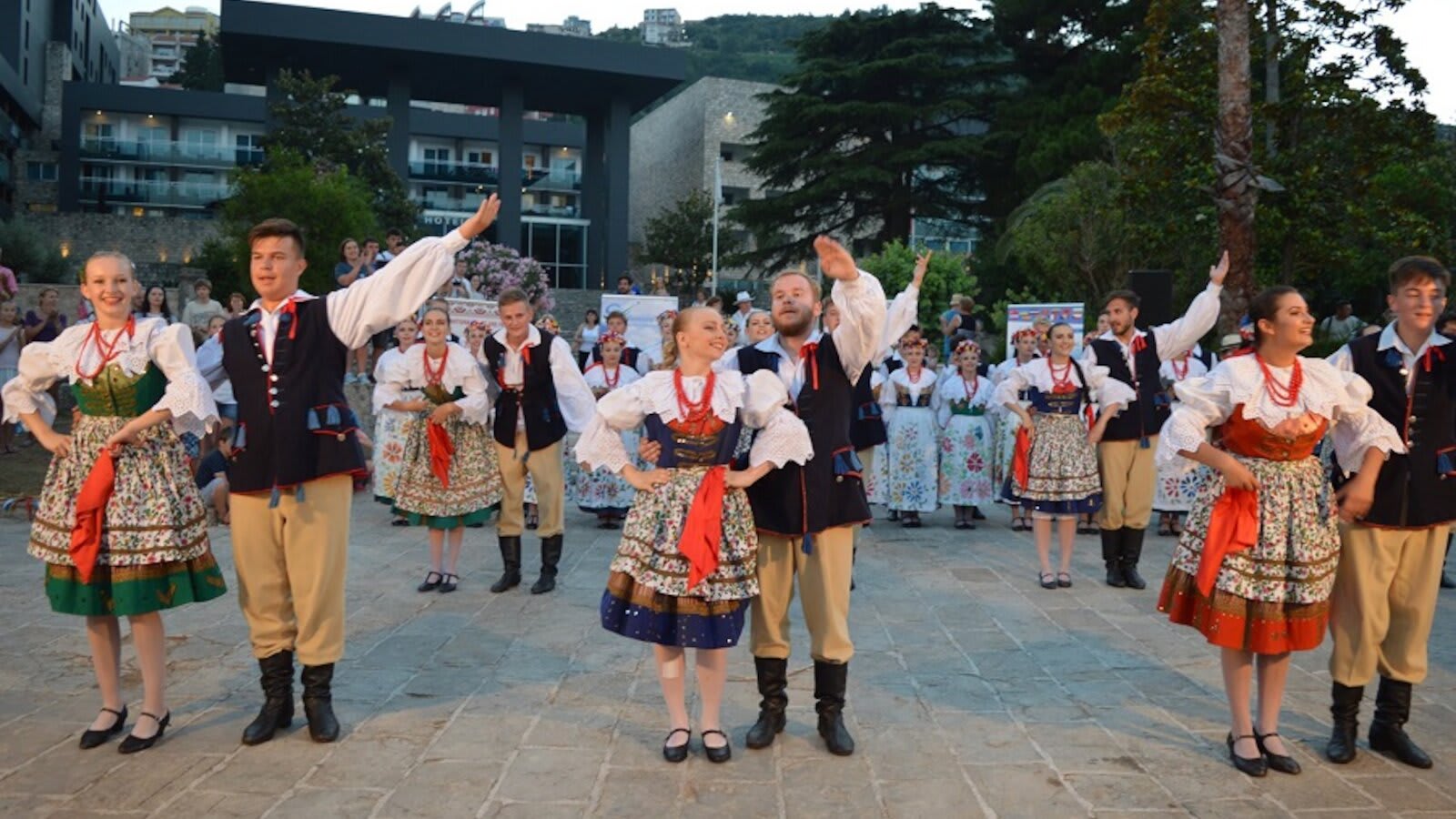
Montenegro may be a small country, but its calendar is full of meaning. Throughout the year, public holidays and traditional celebrations reflect the nation’s history, religious roots, and strong sense of community. For both residents and visitors, these moments offer a deeper understanding of local life beyond beaches and mountains. Exploring holidays in Montenegro is one of the most rewarding ways to experience the country’s culture, values, and traditions.
Holidays here are not just days off work. They are moments when families gather, cities slow down, and traditions take center stage. Whether shaped by faith, history, or national pride, each holiday tells a story about who Montenegrins are and what they value.
Why Holidays Matter in Montenegrin Culture
Montenegro’s holidays are closely tied to identity. The country has been shaped by centuries of different influences, including Slavic traditions, Orthodox Christianity, and historical struggles for independence. Holidays serve as reminders of shared history and collective resilience.
During major holidays, daily routines often pause. Shops may close early, streets fill with people, and homes become gathering places for extended families. These occasions reinforce social bonds and highlight the importance of togetherness.
Understanding holidays in Montenegro helps explain how tradition and modern life coexist.
National Holidays and Historical Significance
Several holidays in Montenegro commemorate key moments in the country’s past. These days are marked by official ceremonies, public events, and a strong sense of national pride.
Independence celebrations, for example, reflect Montenegro’s journey toward self-determination. Public squares often host concerts, speeches, and cultural performances. Flags, music, and community events create a festive atmosphere that brings people together.
These holidays are important reminders of shared history and the values tied to sovereignty and unity.
Religious Holidays and Deep-Rooted Traditions
Religion plays a significant role in Montenegrin holiday traditions. Orthodox Christian holidays are widely observed and deeply meaningful, even for those who are not strictly religious.
Orthodox Christmas, celebrated in January, is one of the most important holidays in Montenegro. Traditions often include family meals, symbolic rituals, and visits to churches. Homes are filled with warmth, food, and conversation.
Easter is another major celebration, marked by church services, festive meals, and the symbolic coloring of eggs. These religious holidays emphasize renewal, faith, and family connections.
How Holidays Shape Daily Life
On holidays, the pace of life in Montenegro noticeably changes. Many businesses close, public transportation may run on reduced schedules, and people prioritize spending time with loved ones.
This slower rhythm allows space for reflection and connection. For visitors, it can be a chance to see local life at its most authentic, though it also requires some planning around closures.
Holidays remind everyone that rest and celebration are just as important as work.
Traditional Customs and Local Practices
Beyond official public holidays, Montenegro also celebrates through local customs and regional traditions. Some towns honor patron saints or historical events unique to their area.
These celebrations often include:
- Traditional music and dance
- Local food and drink
- Processions or community gatherings
Such events highlight Montenegro’s regional diversity and strong local identities.
Seasonal Celebrations and Nature
Montenegro’s holidays are closely linked to the seasons. Summer holidays often feel lively and social, with outdoor gatherings and festivals. Winter holidays, on the other hand, tend to be more intimate and family-focused.
Seasonal changes influence how people celebrate, what they eat, and how they gather. This connection to nature reflects the country’s agricultural roots and appreciation for the land.
Holidays follow the rhythm of the year rather than a purely commercial calendar.
What Travelers Should Know About Holidays
For travelers, holidays in Montenegro can be both enriching and challenging. Celebrations offer unique cultural experiences, but they also affect availability of services.
Visitors should be aware that:
- Government offices may close
- Shops may operate limited hours
- Transportation schedules may change
At the same time, travelers may enjoy festivals, public events, and a more communal atmosphere.
Planning around holidays can turn a simple trip into a memorable cultural experience.
Food and Holiday Traditions
Food plays a central role in Montenegrin holidays. Festive meals often feature traditional dishes prepared with care and shared among family members.
Holiday tables may include hearty meats, homemade bread, seasonal vegetables, and desserts passed down through generations. Meals are unhurried and social, emphasizing hospitality and abundance.
Sharing food is one of the most important ways Montenegrins celebrate together.
Holidays as a Reflection of Values
Holidays in Montenegro reflect values such as family, faith, resilience, and community. Even modern celebrations retain traditional elements that connect the past to the present.
These values are visible in the way people prioritize gatherings, honor traditions, and maintain rituals despite changing lifestyles.
Holidays act as cultural anchors in a rapidly changing world.
Modern Life and Traditional Celebrations
Like many countries, Montenegro balances tradition with modern influences. Younger generations may celebrate holidays differently than their grandparents, but the core meaning often remains.
Public events, concerts, and social gatherings have become more common, especially in urban areas. At the same time, family-centered traditions continue to hold strong.
This balance keeps holidays relevant while preserving their roots.
Why Holidays Matter to National Identity
Holidays help reinforce a shared sense of belonging. They remind people of their history, beliefs, and collective experiences.
In a country with a complex past, holidays provide continuity. They create moments of unity across generations and regions.
Understanding holidays in Montenegro offers insight into how national identity is maintained and celebrated.
Experiencing Holidays as a Visitor
Visitors who experience holidays in Montenegro often gain a deeper appreciation for the culture. Whether attending a public celebration or sharing a meal with locals, these moments offer authentic connection.
Respect for local customs and awareness of holiday significance go a long way. Observing quietly can be just as meaningful as participating.
Holidays offer a window into everyday values and traditions.
The Importance of Preserving Traditions
As globalization influences lifestyles, preserving holiday traditions becomes increasingly important. In Montenegro, efforts to maintain customs are visible in family practices and community events.
Holidays serve as reminders of heritage and cultural continuity. They keep stories alive and pass values from one generation to the next.
Preservation is not about resisting change, but about remembering where traditions come from.
Final Thoughts
Holidays in Montenegro are more than dates on a calendar. They are expressions of history, faith, and community that shape the rhythm of life throughout the year. From national commemorations to religious celebrations, each holiday reflects values that continue to define the country.
Understanding holidays in Montenegro adds depth to any visit or study of the region. These celebrations reveal how people connect with their past, honor their beliefs, and come together as a society.
In Montenegro, holidays are not simply observed. They are lived, shared, and remembered.