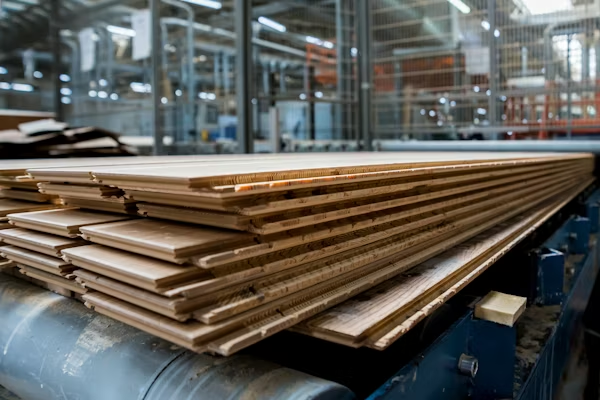
Choosing plywood for a project isn’t just about picking any board off the shelf. The thickness, grade, and core construction determine whether your furniture holds up, your walls stay straight, or your flooring develops issues down the line. Many builders rush this decision and later deal with warping, delamination, or structural failure that could have been avoided with better material choices.
Commercial plywood comes in various specifications designed for different applications. From lightweight 4mm panels for decorative backing to heavy-duty 25mm boards for structural work, each thickness serves a particular purpose. The grade marking on the surface indicates veneer quality, with A-grade offering smooth, defect-free faces and D-grade showing knots and patches. Matching these specifications to your project prevents overspending on unnecessary quality or undershooting on durability requirements.
Understanding Plywood Thickness Options
Standard Thickness Ranges: Most projects use plywood between 6mm and 25mm thick. Furniture backing and ceiling panels typically need 6mm to 9mm boards, offering enough rigidity without adding weight. Kitchen cabinets and wardrobes perform best with 12mm to 18mm thickness, balancing strength with workability. Flooring, structural supports, and heavy-load applications demand 19mm to 25mm panels that resist bending under pressure.
Matching Thickness to Load Requirements: Thinner panels flex under weight, making them unsuitable for shelving or tabletops. A 6mm board might work for a wardrobe back panel but fails as a shelf holding books. Calculate the span between supports and expected load before selecting thickness. Longer unsupported spans need thicker boards to prevent sagging over time, which damages both the panel and surrounding structures.
Decoding Plywood Grade Systems
Face Veneer Quality Grades: The letter grading system rates surface appearance and smoothness. A-grade veneers have minimal defects, making them ideal for visible surfaces requiring paint or polish. B-grade allows small, tight knots and minor repairs, suitable for painted finishes where slight imperfections won’t show. C-grade and D-grade contain larger defects and patches, used where appearance doesn’t matter or surfaces get covered entirely.
Core Construction Types: The core veneer layers determine strength and stability across the panel. Hardwood cores offer superior screw-holding capacity and dimensional stability compared to softwood alternatives. Softwood cores reduce weight and cost but may split easier during edge work or when fasteners penetrate near board edges. Mixed cores balance properties, using hardwood face veneers over softwood centres for cost-effective performance.
Moisture Resistance Classifications: Plywood grades also indicate water resistance capabilities. MR-grade boards handle moderate moisture but fail in continuous wet conditions, delaminating within months of bathroom or kitchen installation. BWP-grade (boiling waterproof) plywood survives prolonged water exposure without delaminating or losing structural integrity. Marine-grade options exceed BWP standards, using waterproof adhesives throughout all veneer layers for extreme moisture environments.
Practical Selection Guidelines
Residential Application Needs: Different rooms demand different specifications based on moisture and load factors:
- Kitchen and bathroom cabinets need BWP-grade plywood in 18mm thickness to resist humidity and support countertop weight.
- Bedroom furniture works with MR-grade in 12mm to 15mm thickness since moisture exposure stays minimal.
- Living room shelving requires thickness calculation based on shelf length and expected book load.
- Wardrobes perform well with 12mm backs and 18mm frames for structural stability.
Commercial Project Requirements: Office fit-outs, retail displays, and hospitality interiors face heavy use and strict fire safety codes. Commercial spaces often specify fire-retardant plywood grades meeting safety certifications that residential projects don’t require. Partition walls need structural stability without excessive weight, typically using 12mm to 15mm boards. Display units and counters handle constant customer interaction, requiring thicker panels that resist impact damage.
Common Selection Mistakes
Overlooking Environmental Factors: Many projects fail because plywood grade doesn’t match installation conditions. Using MR-grade in bathrooms leads to swelling and delamination within months of installation. Exterior applications need weather-resistant grades, or panels deteriorate rapidly under sun and rain exposure. Coastal areas require marine-grade specifications due to salt air exposure increasing moisture levels that standard BWP-grade can’t handle long-term.
Ignoring Edge Quality: Poor edge finishing ruins otherwise good plywood work. Exposed edges absorb moisture faster than face surfaces, causing warping and delamination that spreads across the entire panel. Quality plywood has tight, uniform edge layers without voids or gaps between core veneers. Checking edge construction before purchase prevents finishing problems and ensures clean cuts during fabrication.
Mismatching Thickness to Fasteners: Screws and nails need appropriate material thickness to hold properly. Thin panels split when screws penetrate too deep, creating weak joints that fail under normal use. Thick boards require longer fasteners that many builders don’t account for during material planning. Planning fastener types during material selection ensures proper joinery strength that lasts decades.
Quality Indicators to Check
Visual Inspection Points: Examine face veneers for uniform colour and grain patterns before accepting delivery. Dark patches or discolouration indicate moisture damage or poor drying that compromises structural integrity. Check corners and edges for delamination or gaps between layers that signal manufacturing defects. Warped or twisted sheets cause installation headaches and poor finished results.
Certification Verification: Look for ISI marks and Bureau of Indian Standards certifications confirming quality compliance with national standards. Manufacturers following IS:303 and IS:710 standards produce reliable products that perform consistently. Documentation proving grade specifications protects against substandard materials marketed with false claims about moisture resistance or load capacity.
Conclusion
Selecting appropriate plywood thickness and grade prevents costly mistakes and ensures project longevity for years of reliable service. Match specifications to environmental conditions, load requirements, and budget constraints rather than choosing blindly based on price alone. Inspect materials carefully, verify certifications, and consult experienced suppliers about technical specifications for your specific application. Taking time to understand these factors results in structures and furniture that perform reliably without premature failure or expensive repairs.