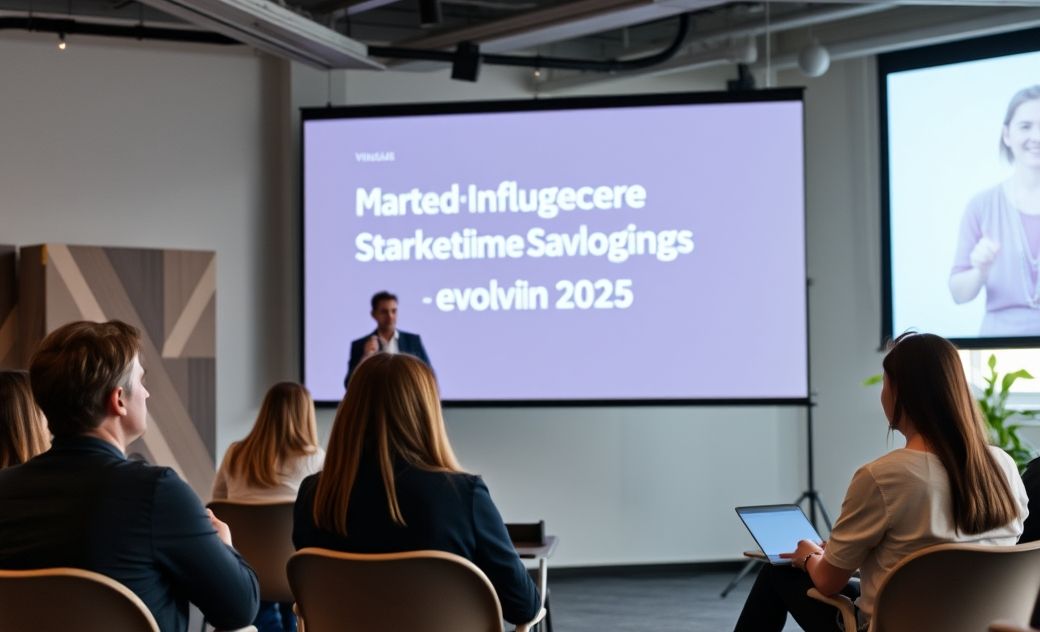
Influencer marketing has become one of the most powerful tools in modern marketing strategies. By 2025, this dynamic approach will have evolved significantly, driven by technological advancements, shifting consumer expectations, and new social media platforms. As brands adapt to these transformations, understanding the changes in influencer marketing is crucial for staying competitive and effective.
The Rise of Niche Micro-Influencers
As the market becomes more saturated with influencers, brands are gravitating towards micro-influencers who command smaller, yet highly engaged audiences. In 2025, these influencers will play a pivotal role in marketing strategies due to their authenticity and ability to create personalized content.
Engagement Over Follower Count
Brands will prioritize engagement rates and community interaction over sheer follower numbers. A micro-influencer with a tightly-knit community can drive significant ROI, as their followers are more likely to trust their recommendations.
Enhanced Content Customization
Leveraging advanced analytics, brands will customize their outreach to match the exact preferences of their target audience segments. This refined approach will enhance the effectiveness of campaigns, as collaborative content will resonate more deeply with specific demographics.
Integration of Augmented Reality and Virtual Influencers
As technology continues to infiltrate everyday life, augmented reality (AR) and virtual influencers will revolutionize how brands interact with consumers. By 2025, these innovative technologies will provide immersive, interactive experiences that traditional influencers cannot.
Immersive Brand Experiences
Brands will utilize AR to create captivating experiences that allow potential customers to engage with products in a virtual space. This strategy not only enhances user interaction but also offers a unique storytelling avenue for brands.
Rise of Virtual Influencers
Virtual influencers, digitally-created personas, are gaining traction in the marketing world. Unlike human influencers, they offer brands complete control over their image and narrative while presenting a futuristic, novel way to engage audiences.
Emphasis on Long-Term Partnerships
In 2025, the short-term, transaction-based collaborations between brands and influencers will shift towards long-term partnerships. This evolution is driven by the desire for consistent brand messaging and deeper influencer integration within brand strategies.
Continuous Content Creation
Brands will invest in ongoing collaborations that allow influencers to become true brand ambassadors, generating content that tells a cohesive story over time. This continuous engagement fosters stronger audience loyalty and trust.
Co-Creation of Products
Influencers will increasingly participate in co-creating brand products or services, lending their insights and creativity to the development process. Such partnerships can create highly personalized consumer experiences and elevate influencer endorsement to new heights.
Data-Driven Decision Making
With the advent of advanced analytics and AI, data-driven decision-making will dominate influencer marketing strategies. Brands will rely heavily on data to optimize their campaigns, measure impact, and predict future trends.
Advanced Performance Metrics
Marketers will harness sophisticated metrics to assess the effectiveness of their influencer partnerships. Metrics will extend beyond basic likes and shares to include brand sentiment analysis, sales tracking, and ROI measurement.
Predictive Analytics
By leveraging predictive analytics, brands can anticipate consumer behavior and tailor their influencer marketing strategies accordingly. This proactive approach will minimize risks and enable more targeted and impactful campaigns.
In conclusion, influencer marketing in 2025 will be characterized by personalization, technological integration, and strategic depth. By understanding these evolving trends, brands can craft sophisticated and successful influencer marketing campaigns to resonate with increasingly discerning audiences.