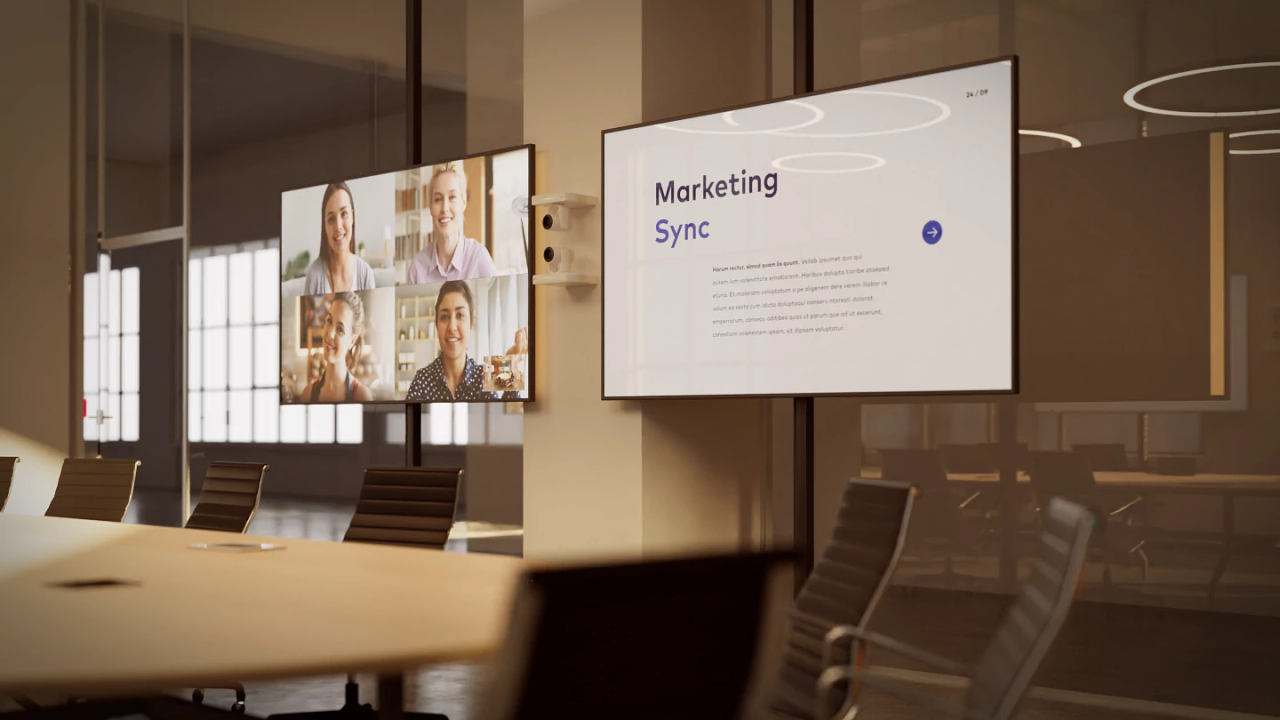
Creating an engaging conference atmosphere begins long before speakers take the stage or attendees enter the hall. It starts with intentional spatial design that subtly guides attention without overwhelming the senses. The physical environment of a conference plays a powerful psychological role in shaping how people feel, think, and interact. When designed thoughtfully, it can encourage participation while still preserving focus.
A key principle in this stage is balance. Open layouts encourage networking and movement, while structured seating arrangements help maintain attention during presentations. The goal is to avoid extremes too much openness can create distraction, while overly rigid structures can feel restrictive and disengaging. Designers often use sightlines strategically so that attendees naturally face focal points such as stages or screens without feeling forced or confined.
Lighting is another essential factor in shaping atmosphere. Soft, layered lighting can create a welcoming environment while still drawing attention to speakers and visual content. Harsh or overly dynamic lighting tends to distract, while well-calibrated illumination subtly supports engagement. Even the temperature of lighting warm or cool tones influence alertness and comfort.
Acoustic planning also plays a major role. Conferences often suffer when sound is uneven or poorly distributed. Proper acoustic treatment ensures that speech is clear without needing excessive volume, which can be jarring. When attendees can hear comfortably without strain, they remain engaged longer and experience less cognitive fatigue.
Ultimately, spatial design sets the tone for the entire event. When done correctly, it creates an invisible structure that guides attention gently rather than aggressively, allowing participants to feel both stimulated and focused throughout the experience.
An engaging conference atmosphere depends heavily on managing sensory input with a Conference DJ.. While stimulation is necessary to keep attendees energized, too much of it can quickly lead to distraction or mental fatigue. The challenge lies in achieving a sensory balance that enhances focus rather than competing with it.
Visual design is often the first element to consider. Large screens, branding elements, and stage visuals should be clean, minimal, and purposeful. Overuse of animations, flashing graphics, or excessive color shifts can fragment attention. Instead, consistent visual themes and restrained motion help guide the eye naturally toward key content without overwhelming it
Sound design must also be carefully controlled. Background music, if used at all, should be subtle and non-intrusive, fading into the environment rather than dominating it. Transitions between sessions should be smooth and calm, avoiding abrupt or loud audio cues that can disrupt concentration. Even microphone levels and speaker placement contribute to maintaining a steady auditory experience.
Scent and temperature are often overlooked but can significantly impact comfort and focus. A slightly cool environment helps maintain alertness, while overly warm rooms can reduce attention spans. Similarly, neutral or light scents can enhance comfort, but strong fragrances should be avoided as they may distract or even cause discomfort for some attendees.
When sensory elements are harmonized rather than competing for attention, the result is an environment that feels alive yet controlled. Attendees remain mentally engaged because their senses are supported, not overstimulated, allowing them to absorb information more effectively.
3. Designing Speaker and Content Flow for Natural Engagement
Even the most well-designed environment cannot compensate for poorly structured content delivery. The way information is presented plays a critical role in maintaining engagement without causing distraction. A thoughtful content flow ensures that attention is continuously renewed rather than fatigued.
One effective strategy is variation in presentation formats. Mixing keynote speeches, panel discussions, and interactive sessions prevents monotony and keeps cognitive engagement high. However, transitions between formats must feel smooth and intentional. Abrupt shifts can break focus, while well-timed pacing maintains momentum.
Speakers themselves also contribute significantly to atmosphere. A strong conference environment supports presenters by providing them with clear visual aids, intuitive controls, and comfortable staging. When speakers feel at ease, they are less likely to rely on distracting behaviors such as excessive movement or overuse of slides.
Content design should prioritize clarity and simplicity. Slides overloaded with text or complex visuals force attendees to split attention between reading and listening, which reduces retention. Instead, minimal text combined with strong verbal storytelling enhances comprehension while keeping focus anchored on the speaker.
Timing is another crucial factor. Sessions that are too long lead to mental fatigue, while overly short segments can feel unsatisfying. Carefully structured breaks allow attendees to reset their attention without losing engagement. These pauses are not interruptions but essential components of sustained focus.
By carefully orchestrating content flow, conferences can maintain a rhythm that feels natural and engaging, allowing participants to remain attentive without feeling mentally drained.
4. Encouraging Interaction Without Creating Chaos
Interactivity is one of the most powerful tools for engagement, but if not carefully managed, it can quickly become a source of distraction. The goal is to design interaction that feels meaningful and structured rather than chaotic or overwhelming.
One effective method is guided participation. Instead of open-ended interruptions during sessions, conferences can use structured Q&A segments or digital polling systems. This allows attendees to engage actively without disrupting the flow of information. When participation is organized, it enhances rather than fragments attention.
Networking spaces also play a critical role in balancing interaction. Dedicated areas for discussion outside of main sessions allow attendees to connect without disturbing ongoing presentations. These spaces should be clearly defined yet easily accessible, encouraging movement between focused learning and social engagement.
Technology can further support controlled interaction. Mobile apps or event platforms can streamline questions, schedule sessions, and provide real-time feedback without requiring constant verbal interruptions. However, overuse of devices should be avoided, as excessive screen time can shift attention away from the physical environment.
Facilitators and moderators are essential in maintaining order during interactive segments. Their role is to guide conversation, manage time, and ensure that engagement remains relevant. A skilled moderator can transform potentially scattered discussions into focused, insightful exchanges.
When interaction is carefully structured, it becomes a tool for deepening engagement rather than disrupting it. Attendees feel involved and valued while still remaining anchored to the core purpose of the event.
5. Sustaining Focus Through Emotional and Cognitive Flow
The most successful conference atmospheres are not just visually or acoustically balanced—they are emotionally and cognitively coherent. Sustaining attention over long periods requires more than design; it requires understanding how people experience information emotionally and mentally.
Storytelling is a powerful mechanism for maintaining cognitive flow. When presentations are structured as narratives rather than isolated facts, attendees are more likely to stay engaged. A well-told story creates anticipation, emotional connection, and memory retention, all of which help reduce distraction.
Emotional pacing is equally important. High-energy moments should be balanced with reflective pauses. This rhythm allows attendees to process information and prevents mental saturation. Without these natural ebbs and flows, even the most interesting content can become overwhelming.
Environmental cues can also reinforce cognitive continuity. Consistent branding, thematic design, and repeated visual motifs help the brain recognize patterns, making it easier to stay focused. When the environment feels coherent, attention is less likely to drift.
Finally, thoughtful closure of sessions or segments helps consolidate attention. Clear summaries, key takeaways, or reflective questions allow attendees to mentally organize what they have learned before moving on. This reinforces engagement rather than letting attention dissipate.
By aligning emotional flow with cognitive structure, conferences can create an environment where attention is sustained naturally. Attendees remain engaged not because they are forced to focus, but because the experience itself continuously invites and rewards their attention.