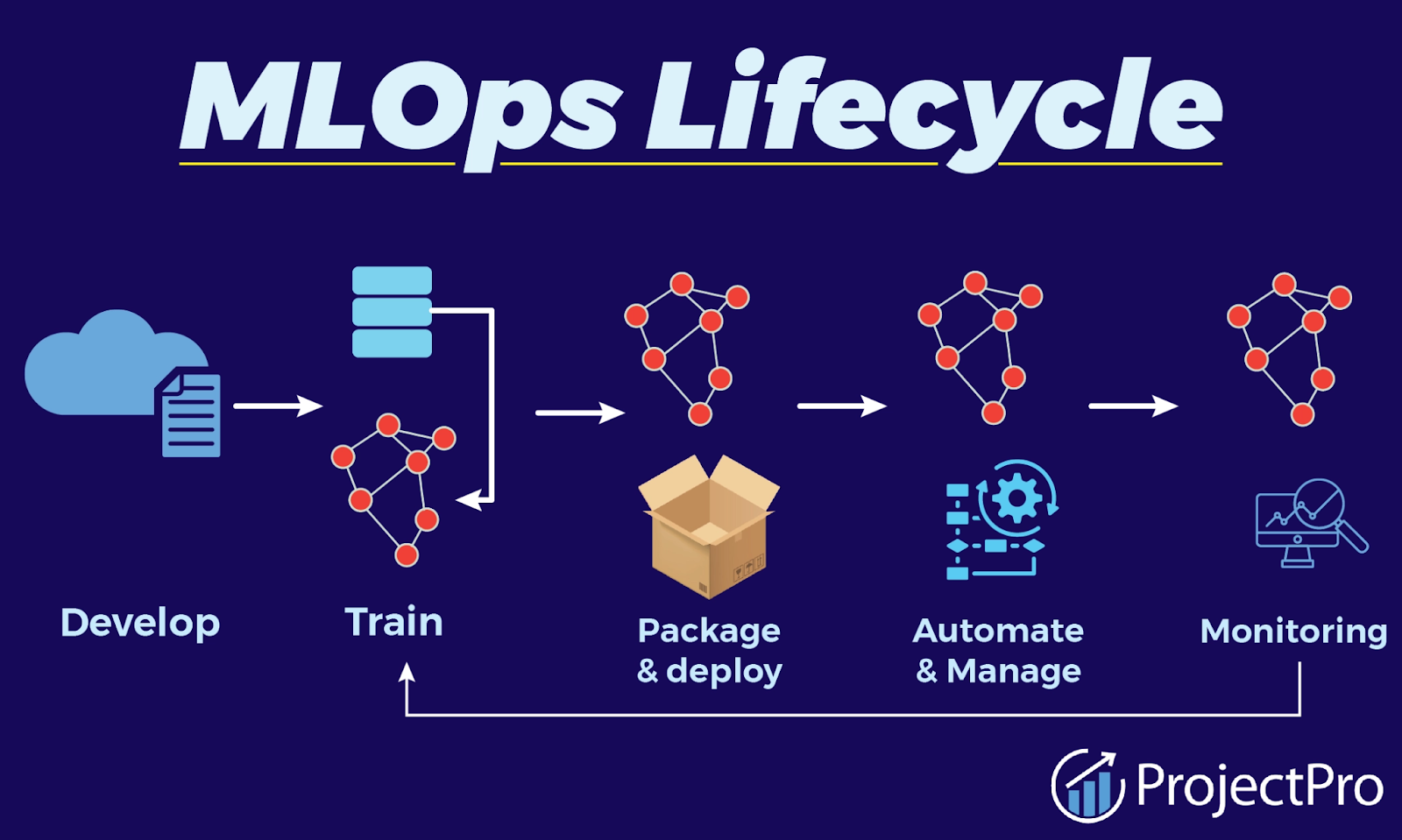
Artificial Intelligence and Machine Learning are not just for research anymore. They are used in things like recommendation engines, fraud detection systems and chatbots.. Building an Artificial Intelligence and Machine Learning model is just the beginning. The hard part is when you try to put it to use, watch it make it bigger and keep it working. This is where DevOps principles become something often called Machine Learning Operations or MLOps for short.
DevOps for Artificial Intelligence and Machine Learning workloads is about automating the whole process. This includes getting data ready training models, testing them, putting them to use, watching how they do and training them again. Artificial Intelligence systems are different from software. They need a lot of data trying things and always learning. This makes it harder. You need good automation, version control and ways to see what is happening. DevOps training with placement offers comprehensive DevOps training to help you gain hands-on expertise and secure rewarding career opportunities in top IT companies.
Unique Challenges of Artificial Intelligence and Machine Learning in DevOps Environments
DevOps pipelines are used to manage code builds and put things to use. Artificial Intelligence and Machine Learning workloads add things like datasets making features, model artifacts and training setups. You need data scientists, Machine Learning engineers and DevOps teams to work together closely.One big challenge is keeping track of changes to data. In software changes happen in code.. In Artificial Intelligence systems how well they work depends a lot on the data used to train them. Even small changes to data can make a difference. Tools like MLflow help track experiments, parameters, metrics and model versions so you can get the results again.Another hard part is setting up the environment for training. Artificial Intelligence models often need computers with GPUs. Services like Amazon SageMaker and Azure Machine Learning provide a way to build and train models on computers. Putting these services into your pipeline ensures that model training and validation happen automatically when new data or code is added.
Building a Continuous Integration and Continuous Deployment Pipeline for Artificial Intelligence and Machine Learning Workloads
To do DevOps for Artificial Intelligence and Machine Learning workloads you need to add data and model management to your pipeline. The first step is to use version control for code, datasets and configuration files. This helps you see what is happening. Why Continuous Integration for Artificial Intelligence projects starts with automated data checks. When new data comes in scripts check if it is the format if there are missing values and if there are any errors. This stops data from getting into the training pipeline.
The next step is automated model training. By starting experiments by hand your pipeline can start model training jobs on big computers. Tools like Kubernetes are used to manage containerized Machine Learning workloads. Containers ensure that the environment is the same across development, testing and use.Once training is done models are automatically evaluated. Metrics like accuracy and loss are compared to standards. Only models that meet the standards move to the deployment stage.
Best Practices for Scaling DevOps in Artificial Intelligence and Machine Learning Projects
As more companies use Artificial Intelligence they need to find ways to manage the growing complexity. One key best practice is to treat models like any important software. They should be versioned, tested and stored safely.
Automation is necessary at every step. Doing things by hand increases the risk of mistakes. Using code to set up computers ensures that training environments are the same every time. Containerization ensures that models work on any platform.
Data scientists and DevOps engineers need to work smoothly. Data scientists focus on trying things and making models better while DevOps teams ensure that models are scalable and reliable. Shared dashboards and experiment tracking systems help everyone see what is happening.Watching what is happening in Artificial Intelligence systems is more than checking computer usage. It includes tracking how models are doing, checking for fairness and detecting bias. Advanced analytics platforms help teams find problems before they affect users.
Conclusion
DevOps for Artificial Intelligence and Machine Learning workloads is the step in DevOps. It is about making automation smarter and about data. By using version control, automated training pipelines, model validation, continuous monitoring and retraining mechanisms companies can put Artificial Intelligence systems to use with confidence and at scale.Combining DevOps and Artificial Intelligence is not about doing things faster. It is about doing things right, adapting and always getting better. As Artificial Intelligence becomes more important for businesses mastering DevOps, for Artificial Intelligence and Machine Learning workloads will be necessary for companies to stay competitive in a changing digital world.