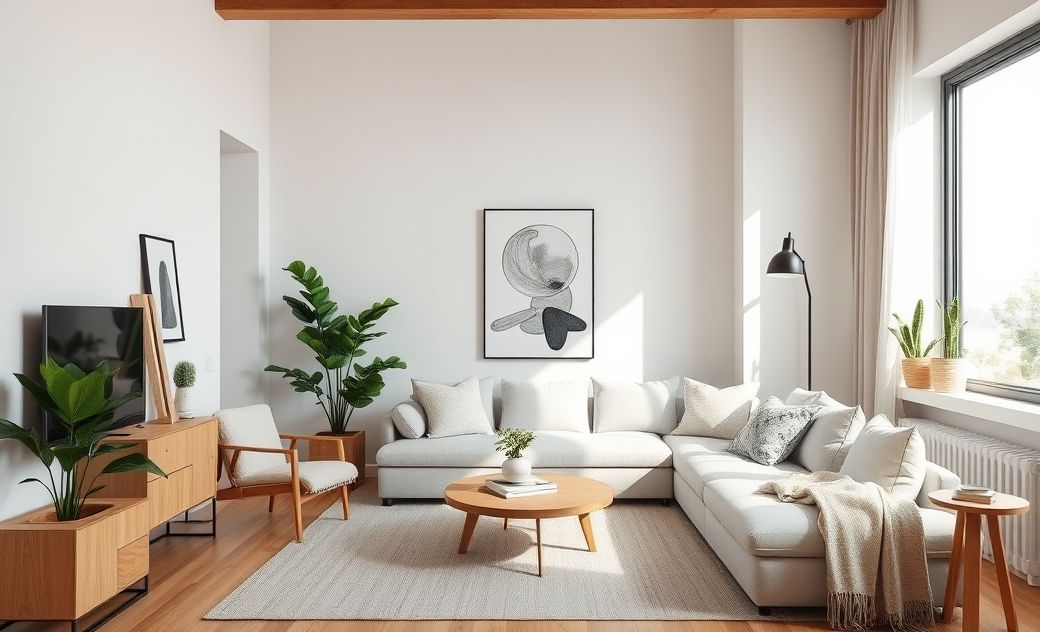
Minimalism has become more than just a fleeting trend; it is a lifestyle choice that aims to simplify living and enhance the overall quality of life. By focusing on what is truly necessary and eliminating the excess, minimalism offers numerous benefits ranging from reducing stress to improving mental clarity. Incorporating minimalism into your lifestyle is a powerful way to create more space for what truly matters. Here’s a comprehensive guide on how to seamlessly integrate minimalism into your everyday life.
Understanding the Core Principles of Minimalism
At its essence, minimalism is about intentionality. It’s a conscious decision to prioritize quality over quantity, focusing on what adds value to your life. This often involves decluttering physical spaces, simplifying schedules, and cultivating mindful consumption habits. Understanding these core principles is the first step in adopting minimalism.
Prioritize What Matters
Identifying what truly matters to you is integral in beginning your minimalist journey. This can involve making a list of your core values and life goals. By understanding what brings you happiness and fulfillment, you can make informed decisions on what to keep and what to let go.
Reduce Physical Clutter
One of the most noticeable aspects of minimalism is a clean and organized environment. Begin by decluttering your living space. Approach decluttering room by room, or item by item, focusing on possessions that serve a purpose or hold sentimental value. Remember, reducing clutter is not about eliminating everything but rather about keeping meaningful items that align with your intentions.
Benefits of a Minimalist Lifestyle
The advantages of incorporating minimalism into your life extend beyond a tidy home. A minimalist approach promotes mental and emotional well-being, having lasting impacts on your daily life and interactions.
Enhanced Focus and Productivity
By removing physical and mental clutter, you can significantly increase your focus and productivity. A simplified space is less distracting and more conducive to concentration, allowing for deeper engagement in work and personal projects.
Environmental and Financial Benefits
Minimalism encourages sustainable living and mindful consumption. By reducing unnecessary purchases, you contribute to a smaller environmental footprint and promote eco-friendly practices. Additionally, a minimalist approach can lead to better financial management by curbing impulse buying and fostering savings.
Practical Tips for Implementing Minimalism
Transitioning to a minimalist lifestyle involves several practical steps. Here are some actionable tips to help you start:
Adopt a Capsule Wardrobe
A capsule wardrobe is a collection of timeless clothing pieces that can be mixed and matched easily. This helps streamline your closet and ensures that you always have outfits that align with your style and needs.
Practice Mindful Consumption
Before making a purchase, pause and consider its necessity and value. Ask yourself if it aligns with your priorities and if it’s something you truly need. This deliberate approach helps mitigate clutter accumulation and encourages sustainable living.
Embrace Digital Minimalism
In today’s digital age, information overload can be overwhelming. Digital minimalism involves curating what you consume online. This could include tidying up your email inbox, limiting screen time, or unfollowing social media accounts that don’t contribute positively to your life.
Maintaining Minimalism in the Long Term
Once you’ve embraced minimalism, sustaining it requires ongoing commitment. Regularly reassess your possessions and digital footprint to ensure they continue to serve your goals. Remember, minimalism is a personal journey, and it’s important to continually align it with your evolving values and priorities.
Incorporating minimalism into your lifestyle is a transformative choice that enhances not just the spaces around you, but also your mental and emotional well-being. By focusing on intentional living, you create a clearer path to happiness and fulfillment.