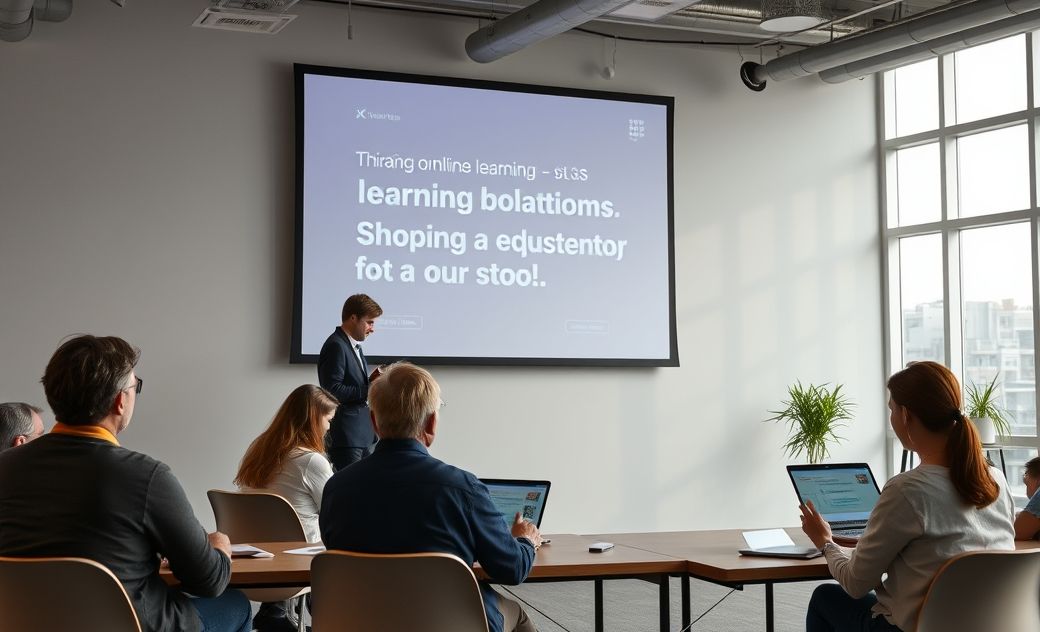
In today’s fast-paced world, the traditional education system is continuously being supplemented—and sometimes replaced—by innovative online learning platforms. These platforms are reshaping how learners from all walks of life access knowledge and acquire new skills. With the rapid growth of technology and internet access, online education provides flexible and often more affordable options for students ranging from elementary school to adult learners.
The Rise of Online Learning Platforms
With the advent of massive open online courses (MOOCs) and other digital education innovations, online learning platforms have expanded their reach globally. Students now have the opportunity to learn at their own pace and convenience, often for a fraction of the cost of traditional schooling. These platforms have emerged not only as supplements to traditional education but also as standalone learning environments.
Key Features of Leading Platforms
Adaptive Learning Technologies
One of the most significant advancements in online education is the integration of adaptive learning technologies. These systems use data analytics to tailor the learning experience to each student’s unique needs, ensuring efficient and personalized educational paths. Platforms such as Knewton and Smart Sparrow are leading the way by creating customized learning experiences that adapt in real-time.
Interactive and Engaging Content
Incorporating multimedia elements like videos, quizzes, and gamified lessons keeps learners engaged and motivated. Platforms like Coursera, Khan Academy, and Duolingo implement various interactive components designed to enhance user engagement. These components make learning not only more enjoyable but also more effective by catering to different learning styles.
Collaborative Tools and Community Building
Fostering a sense of community and collaboration is crucial in an online learning environment. Many platforms have incorporated discussion forums, peer reviews, and group projects to facilitate interaction among learners. For instance, Udacity and Edmodo provide platforms where students can discuss topics and assist each other in real-time.
Challenges and Opportunities
Bridging the Digital Divide
While online learning platforms offer numerous benefits, they also face challenges such as bridging the digital divide. Access to reliable internet and necessary technology is still a barrier for many students worldwide. To combat this, several platforms are working on mobile-friendly versions and offline capabilities to reach students in underserved areas.
Ensuring Quality and Accreditation
Ensuring that online education maintains quality and credibility remains a challenge. Many platforms are partnering with high-ranking universities and educational institutions to provide accredited courses and recognized certifications. This cooperation helps to assuage concerns about the legitimacy and marketability of online qualifications.
The Future of Education
As online learning platforms continue to evolve, they will likely play a more significant role in the educational landscape. The integration of cutting-edge technologies such as artificial intelligence and virtual reality could further transform learning experiences, personalizing them even more and breaking down physical and geographical barriers. The aim is to support lifelong learning and make education accessible to all, further democratizing the acquisition of knowledge.
The future of education is undoubtedly digital, driven by a mix of innovative online platforms and traditional methodologies. As these tools become more refined and accessible, they will empower learners across the globe, creating a more informed, skilled, and capable world population.