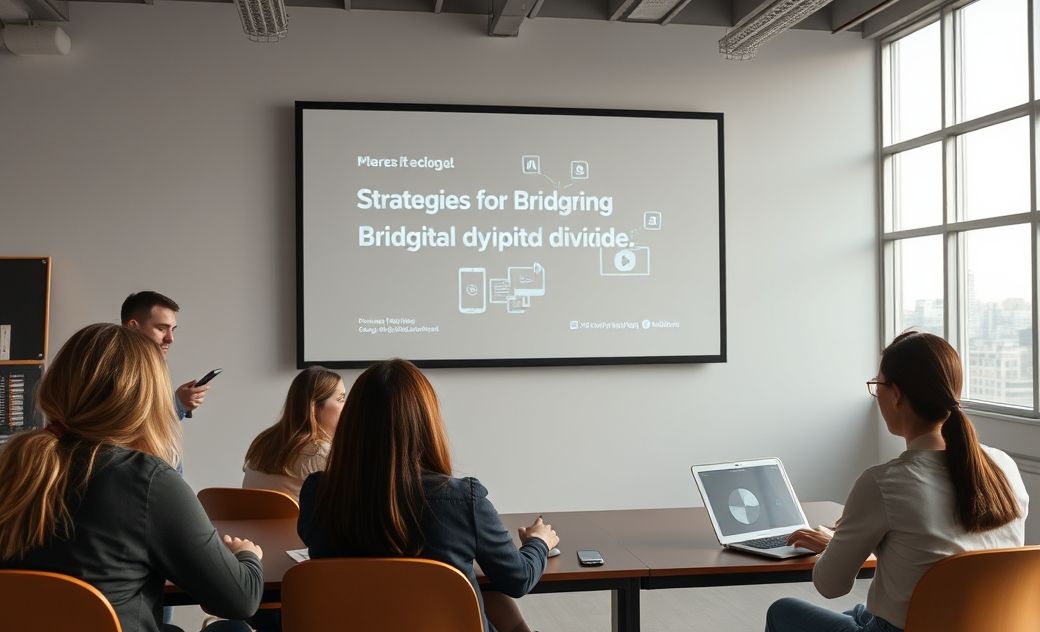
In today’s fast-paced world, technology has dramatically reshaped education. However, the benefits of digital learning are not equally accessible to all, giving rise to a concerning digital divide. Bridging this gap is crucial for providing equitable educational opportunities. This article explores key strategies that can help bridge the digital divide in education.
Enhancing Infrastructure
One of the most critical steps in bridging the digital divide is enhancing technological infrastructure. Accessibility to the internet and devices is a fundamental requirement for digital learning.
Providing Affordable Internet Access
Governments and private entities can collaborate to provide affordable, high-speed internet to underserved areas. Subsidizing broadband in rural communities and low-income urban areas ensures a more level playing field for all students.
Equipping Schools with Essential Devices
Ensuring that schools have adequate computing resources is vital. Investment in laptops, tablets, and interactive learning tools can significantly enhance learning outcomes. Schools can also implement device loan programs to ensure students have access to necessary technology outside of school hours.
Developing Comprehensive Digital Literacy Programs
Simply providing access to technology is not enough. Developing digital literacy among students and educators alike is essential.
Training Educators in Digital Tools
Professional development programs focused on digital tools can enhance teachers’ capacity to utilize technology in their pedagogy effectively. Workshops and seminars designed to familiarize educators with new tools ensure that they can integrate these into their teaching seamlessly.
Incorporating Digital Literacy into Curriculum
Integrating digital literacy into the school curriculum prepares students for the modern workforce. Courses on coding, online research, and digital communication are essential components of 21st-century education.
Leveraging Community Partnerships
Community partnerships can play a significant role in bridging the digital divide. Engaging with local businesses and non-profit organizations can provide additional resources and support.
Collaborative Initiatives with Tech Firms
Partnering with technology companies can facilitate access to the latest tools and software. Many firms are willing to provide educational discounts or donate technology to schools in need.
Non-profit Support Programs
Non-government organizations often offer programs aimed at increasing digital equity. These programs can provide funding, training, and other resources essential for reducing the digital divide.
Promoting Inclusive Policy Making
Policy makers play a crucial role in narrowing the digital divide through inclusive legislative measures.
Government Policy and Funding
Governments should establish policies that prioritize digital learning expenditure. Allocating funds for improving digital infrastructure in underprivileged areas can bring significant long-term benefits.
Regulating Educational Standards
Setting minimum standards for digital access in education ensures that all institutions meet essential requirements. Mandatory reporting on digital access can help identify and address disparities.
Engaging Parents and Guardians
Bridging the digital divide also involves engaging parents and guardians in the process of digital education.
Parental Workshops and Training
Schools and community centers can host training sessions for parents to help them understand digital tools and platforms used by their children. This engagement can foster a supportive home environment conducive to digital learning.
Monitoring Digital Usage
Educating parents on monitoring and guiding their children’s digital usage ensures a balanced approach to digital learning. Parents can play a pivotal role in encouraging responsible use of technology.
By implementing these strategies, educators, policy makers, and communities can work collaboratively to bridge the digital divide, ensuring equitable digital access and learning opportunities for all students.